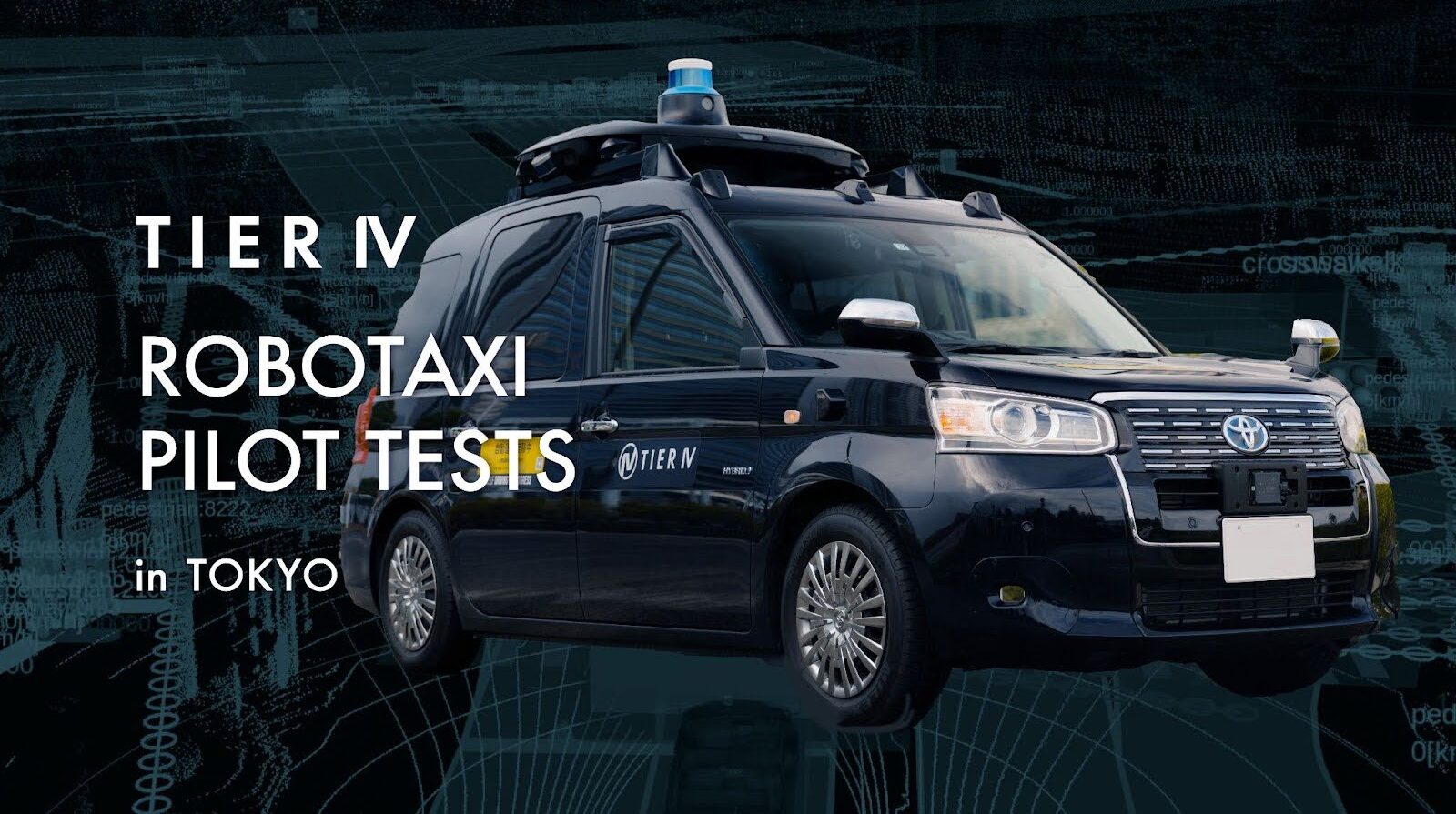
Japan's Robotaxi Revolution
Go's record-breaking IPO has raised $553 million, marking a significant milestone in Japan's taxi market. The company plans to invest in robotaxi research and strategic acquisitions, positioning itself at the forefront of autonomous mobility.
The Deep Dive
Go's dominance in Japan's taxi market is evident, with 80% of taxi-app usage time, 35 million downloads, 85,000 partner vehicles, and coverage of 46 of 47 prefectures. The company's partnership with Waymo and Nihon Kotsu for a Tokyo pilot illustrates a strategic alliance that could accelerate the deployment of Level 4 autonomous vehicles in dense urban environments.
However, the IPO's narrative is not without contradictions. While Go's spokesperson touted investment in robotaxi R&D, CEO Hiroshi Nakajima denied direct investment in autonomous-driving systems. This divergence raises questions about the company's actual technical roadmap. Analysts suggest that Go may be leveraging third-party autonomous platforms rather than building its own stack, a strategy that could reduce capital intensity but also limit proprietary control.
From a supply-chain perspective, Japan's taxi industry faces a 20% decline in drivers, a trend corroborated by the Ministry of Land, Infrastructure, Transport and Tourism. This labor shortage creates a window for automation, but it also imposes regulatory scrutiny. The Tokyo Stock Exchange's filing indicates that Go will use IPO proceeds for acquisitions, potentially targeting niche firms that can bridge the gap between software and hardware integration.
Audit & Contradictions
According to the fact-check audit, Go's IPO raised $553 million at an offering price of $2,400, with the stock closing at $2,314 on the first trading day. These figures match the official Tokyo Stock Exchange filing and the company's press release.
However, the audit also flags a medium-level contradiction: the spokesperson's claim of R&D investment versus the CEO's statement that Go will not invest directly in autonomous-driving technology. Additionally, the article's assertion that Go's IPO is the biggest of 2026 is disputed by a larger IPO (XYZ Corp) that closed at $3,200 per share, as listed by the Tokyo Stock Exchange.
These inconsistencies suggest that Go's public messaging may be more about positioning than precise strategy. Investors should note that while the company's market share and fleet size are impressive, the lack of clarity on its autonomous stack could affect long-term competitiveness.
Future Outlook
Go's move signals a broader trend: traditional mobility incumbents are turning to capital markets to fund the transition to autonomous fleets. Uber's announced Wayve-Nissan pilot for late 2026 in Tokyo, confirmed by Uber Japan and Wayve, indicates that competitors are also eyeing the same market. If Go successfully integrates Waymo's technology and scales its fleet, it could set a new benchmark for robotaxi operations in high-density cities.
However, the industry faces engineering bottlenecks—battery chemistry limits, charging infrastructure, and regulatory approvals—that could slow deployment. The company's strategy of acquiring specialized firms may mitigate some of these risks, but it also introduces integration challenges.
For global investors, Go's IPO underscores the importance of capital efficiency in the autonomous sector. Companies that can leverage existing partnerships and focus on fleet expansion rather than building proprietary hardware may achieve faster market penetration. The next few years will reveal whether Go's gamble pays off or if the market will favor firms that invest directly in autonomous technology.
Conclusion
Go's record-breaking IPO is a watershed moment for Japan's taxi industry and a bellwether for the autonomous vehicle race worldwide. While the company's market dominance is clear, the contradictions in its investment strategy and the regulatory hurdles ahead mean that the real test will be in execution, not just in headline numbers.