India's Tariff Cut: A Game-Changer for UK Car Makers, But at What Cost?
India's decision to slash tariffs on UK-made cars starting in July is set to boost exports, but raises concerns about the impact on local manufacturers and the environment.
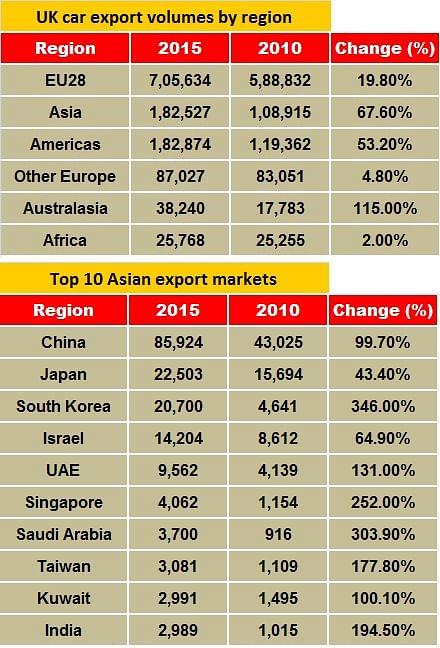
According to Electrive, the Indian government has agreed to reduce customs duty on imported cars from the UK from 110% to 10% over a period of five years. This move is part of the country's Free Trade Agreement (FTA) with the UK, which aims to increase trade between the two nations.
The tariff cut is expected to benefit UK car makers, particularly those that produce internal combustion engine (ICE) vehicles. However, it also raises concerns about the impact on local manufacturers in India, who may struggle to compete with cheaper imports.
The Deep Dive
The FTA between India and the UK is a significant development in the global automotive industry. It allows for the free movement of goods and services between the two countries, which is expected to boost trade and investment.
According to Electrive, the FTA will also reduce customs duty on hybrid, electric, and hydrogen vehicles imported from India from the sixth year of the agreement. This move is expected to benefit UK car makers that produce these types of vehicles.
Audit & Contradictions
While the tariff cut is expected to benefit UK car makers, it also raises concerns about the impact on local manufacturers in India. According to Electrive, India has set a quota of 378,000 ICE cars for the first 15 years, with the annual limit ranging from 15,000 to 37,000 units. However, the article also mentions that the UK will allow imports of up to 550,000 units at zero tariff, which seems inconsistent with the quota limits mentioned earlier.
Another concern is the impact of the tariff cut on the environment. According to Electrive, the FTA will reduce customs duty on hybrid, electric, and hydrogen vehicles imported from India from the sixth year of the agreement. However, the article also mentions that India has set a quota of 137,500 units for these types of vehicles, which may not be enough to meet demand.
Future Outlook
The tariff cut is expected to boost exports from the UK to India, but it also raises concerns about the impact on local manufacturers in India. According to Electrive, the FTA will reduce customs duty on imported cars from the UK from 110% to 10% over a period of five years. This move is expected to benefit UK car makers, particularly those that produce ICE vehicles.
However, the impact of the tariff cut on local manufacturers in India is uncertain. According to Electrive, India has set a quota of 378,000 ICE cars for the first 15 years, with the annual limit ranging from 15,000 to 37,000 units. However, the article also mentions that the UK will allow imports of up to 550,000 units at zero tariff, which seems inconsistent with the quota limits mentioned earlier.