Lead Hook
Greece, a country blessed with an abundance of sunshine, is charting a unique path towards achieving net zero emissions. By leveraging its solar resources and embracing heat pumps, Greece is setting an example for other nations to follow.
The Deep Dive
According to the report from CleanTechnica, Greece has seen significant growth in solar power, from 1.5 GW of installed capacity in 2012 to 11.5 GW in 2025. Solar accounted for 17% of all Greek electricity in 2025. The country is also home to a thriving market for heat pumps, particularly for cooling, due to its mild climate.
Solar Water Heating: A Ubiquitous Technology
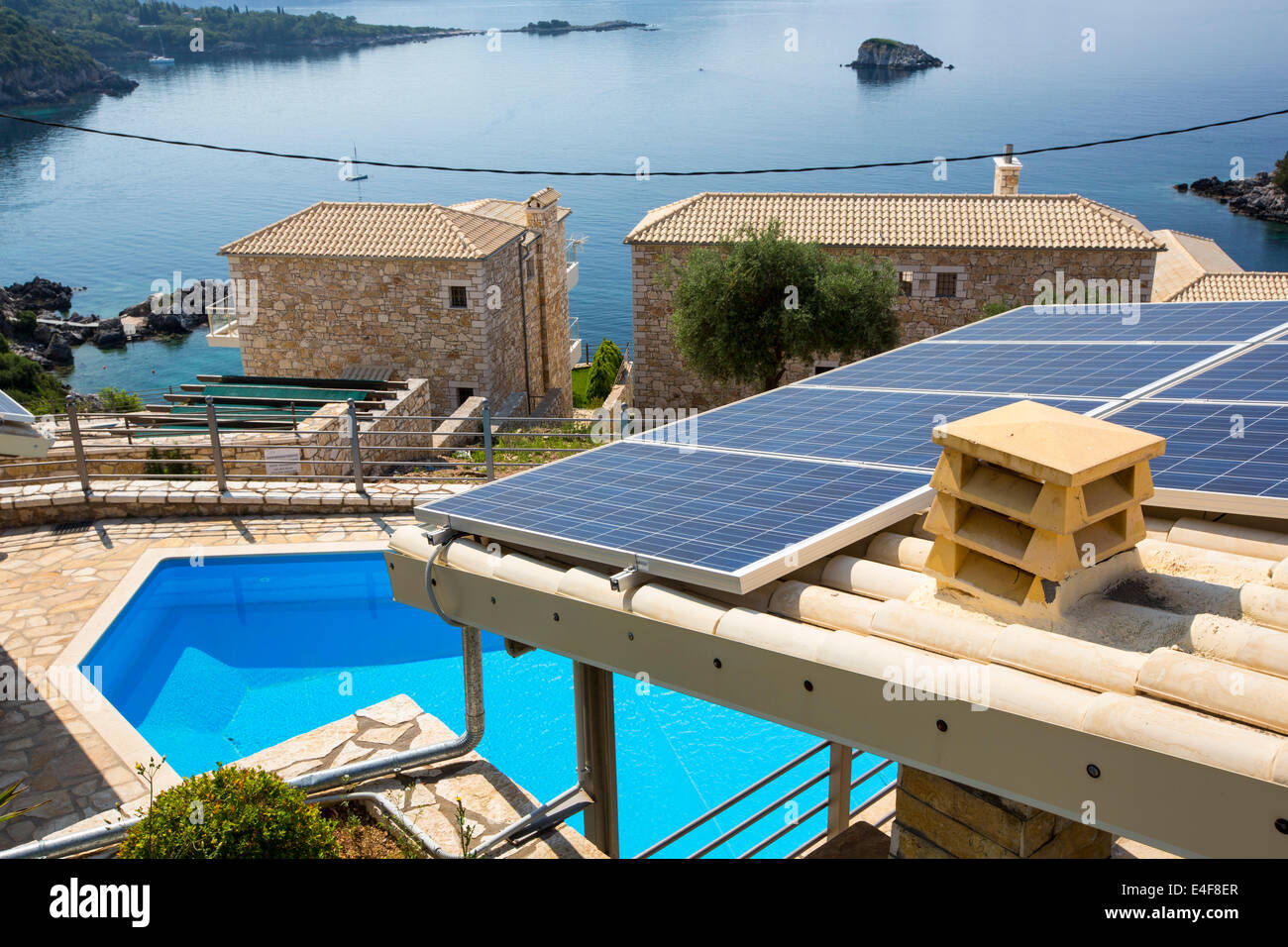
Solar water heating is surprisingly common in Greece, with 35% of Greek homes having a solar water heater as of 2021. This puts Greece in the top spot globally for solar water heating installations, ranking 6th in the world. This widespread adoption can be attributed to the country's sunny climate and the economic benefits of using solar energy for water heating.
Audit & Contradictions
While the report highlights several successes, there are also challenges and contradictions. For instance, electric vehicles (EVs) accounted for 6.2% of the auto market in Greece in 2025, which is roughly a third of the European average. However, the report notes that charging infrastructure for EVs is lacking in Greece, although this claim is based on personal experience rather than concrete data.
Challenges and Opportunities
The adoption of heat pumps in Greece is facilitated by its mild climate, but the report does not provide a detailed analysis of the climate's impact on heat pump efficiency. Moreover, while solar energy and heat pumps are crucial for Greece's net zero strategy, the country still faces challenges in fully transitioning to renewable energy sources.
Future Outlook
As Greece continues on its path towards net zero emissions, it will be interesting to see how the country addresses the challenges associated with EV adoption and charging infrastructure. With its strong foundation in solar energy and heat pumps, Greece is well-positioned to make significant strides in reducing its carbon footprint.
"Greece's approach to net zero emissions serves as a valuable case study for other countries looking to leverage their natural resources to drive sustainable growth."