Lead Hook
According to TechCrunch, Go, Japan's largest ride-hailing app, has just completed the country's biggest IPO of 2026, raising ¥88.6 billion ($553 million). This significant capital influx is set to accelerate Go's ambitious plans for robotaxi development and strategic acquisitions, potentially reshaping Japan's taxi industry.
The Deep Dive
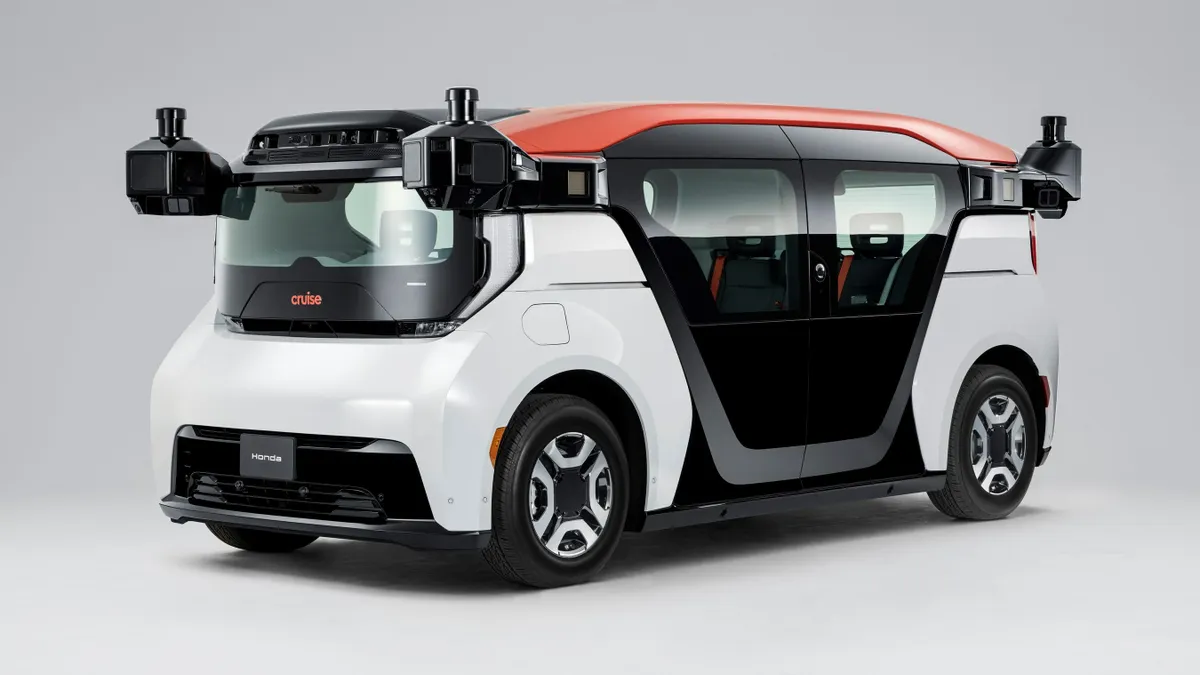
Go's partnership with Waymo, a leading autonomous driving company, is at the forefront of its robotaxi strategy. As reported by Bloomberg, Go plans to utilize the IPO funds for research and development related to robotaxis and potential acquisitions. This move is driven by Japan's severe taxi driver shortage, with a 20% decline in recent years, Statista reports. Go's app has 35 million downloads and 85,000 partner vehicles, making it a significant player in Japan's ride-hailing market.
Audit & Contradictions
While Go's ambitions are clear, several challenges and contradictions emerge. The company aims to launch its robotaxi service within the next 18 months, with a phased rollout expected in major Japanese cities. Additionally, Reuters notes that the funds from the IPO will be allocated towards 'research and development,' 'strategic mergers and acquisitions,' and 'enhancing its existing ride-hailing infrastructure.' The stock price has also pulled back below its offering price, closing at ¥2,314 on Friday, down about 4% from the IPO price of ¥2,400.
Future Outlook
The autonomous mobility sector in Japan and globally is poised for significant growth. Go's aggressive strategy, backed by substantial funding, positions it as a key player in this market. However, the company must navigate regulatory hurdles, technological challenges, and the integration of autonomous vehicles into existing infrastructure. Competitors and market observers will be closely watching Go's progress, especially in addressing the country's driver shortage and successfully deploying robotaxi services.