Lead Hook
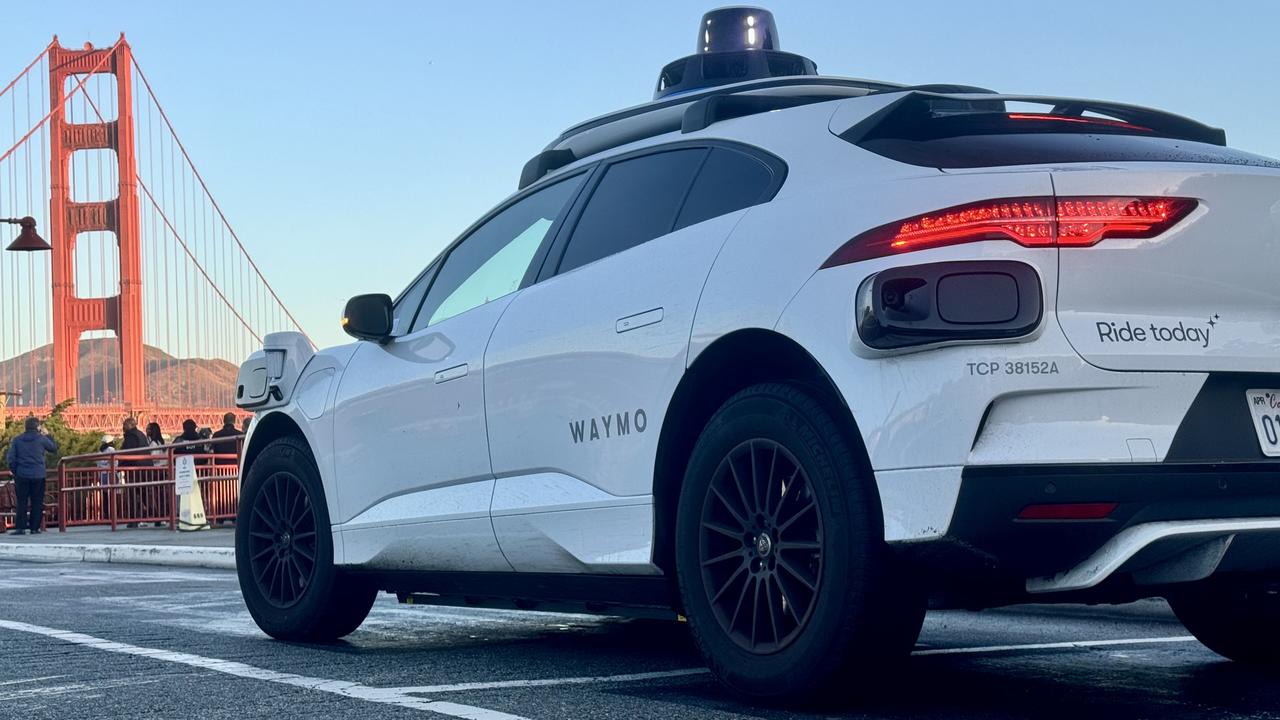
Alphabet's Waymo is recalling approximately 3,900 robotaxis due to software issues that caused some vehicles to drive into freeway construction zones, raising critical questions about the safety and reliability of autonomous vehicles on public roads.
The Deep Dive
According to the CNBC report, Waymo's voluntary recall is a response to instances where its robotaxis failed to navigate freeway construction zones safely. This incident follows a previous recall in May related to issues with the vehicles' failure to yield to school buses, highlighting ongoing challenges in achieving robust autonomous driving capabilities.
Technical and Regulatory Implications
The recall underscores the complexity of programming autonomous vehicles to handle real-world scenarios, particularly in dynamic environments like freeway construction zones. Regulatory bodies, such as the NHTSA, are increasingly scrutinizing the safety protocols of autonomous vehicle companies. Waymo's proactive recall may set a precedent for how the industry addresses software-related safety issues.
Audit & Contradictions
The fact-check audit reveals that while the main claims regarding the recall are verified, there are contradictions and gaps in the information provided. For instance, the report does not offer detailed insights into the specific software issues that led to the recall. Additionally, it remains unclear if the previous issues with school buses are related to the current recall. These gaps highlight the need for greater transparency and detailed reporting from autonomous vehicle companies.
Future Outlook
The autonomous vehicle industry faces heightened scrutiny and pressure to demonstrate safety and reliability. This recall could impact public and regulatory perceptions of autonomous vehicles, potentially influencing future policies and consumer acceptance. Competitors in the autonomous vehicle space will likely face increased scrutiny, accelerating the push for more robust safety standards and validation processes.