Lead Hook
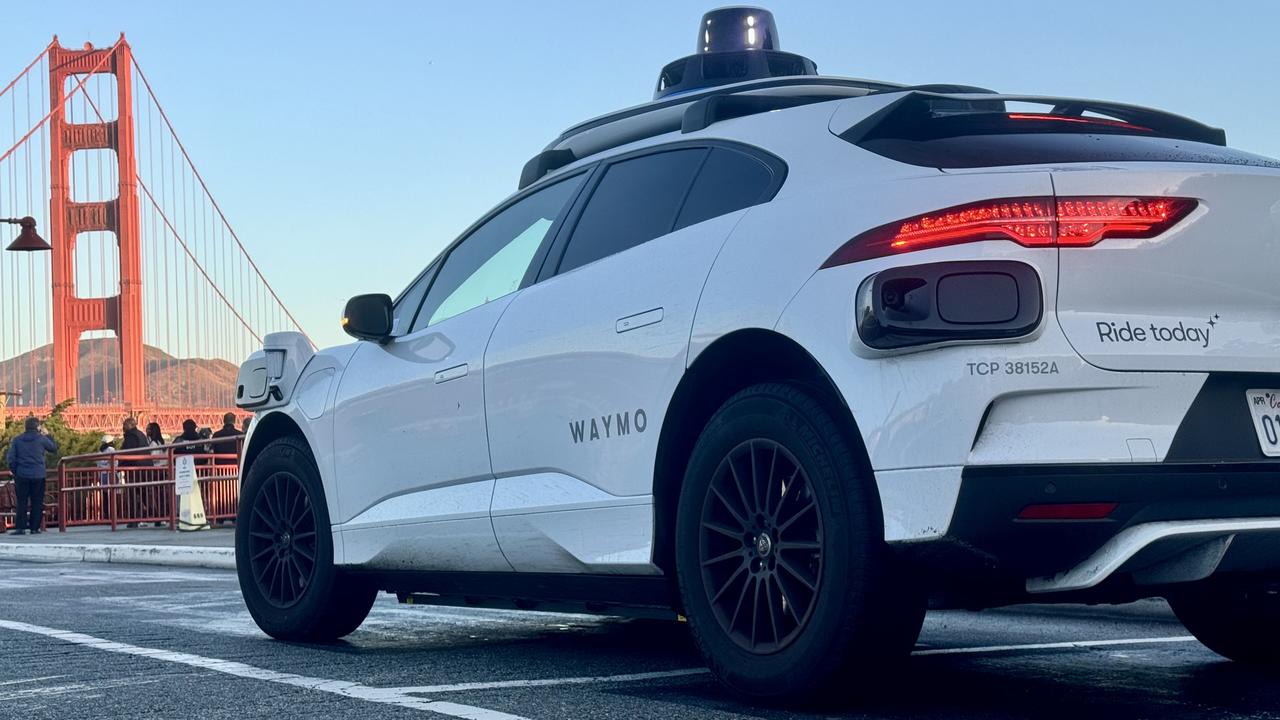
Alphabet's Waymo is recalling approximately 3,900 robotaxis in the U.S. due to software issues that caused some vehicles to drive into freeway construction zones. This move comes as the autonomous driving industry faces increased scrutiny over safety and regulatory compliance.
The Deep Dive
According to the National Highway Traffic Safety Administration (NHTSA), Waymo's recall is attributed to software flaws that led to 13 known incidents where robotaxis drove into construction zones on freeways in Phoenix or entered freeway lanes with active construction in the San Francisco area. The company has restricted the use of its robotaxis on freeways until a remedy is developed and implemented.
Technical and Economic Implications
The recall highlights the technical challenges facing autonomous driving companies, particularly in complex environments such as freeway construction zones. Waymo's software issues raise questions about the company's ability to ensure the safety and reliability of its robotaxis. The economic implications of this recall are also significant, as Waymo's autonomous driving technology is a key component of its business model.
Audit & Contradictions
An analysis of the recall reveals several contradictions and challenges. While Waymo has reported 13 incidents, there is no mention of any injuries or accidents resulting from these incidents. Additionally, the company has not provided detailed information on the specific software issues that led to the recall. These contradictions highlight the need for greater transparency and regulatory oversight in the autonomous driving industry.
Future Outlook
The recall is likely to have a significant impact on the autonomous driving industry, particularly in terms of regulatory scrutiny and public perception. Competitors such as Cruise and Argo AI are likely to face increased scrutiny over their own autonomous driving technologies. The long-term outlook for the industry remains uncertain, with many experts predicting that the development of fully autonomous vehicles will take longer than expected.