Tesla's Full Self-Driving Push Hits a Roadblock in the EU
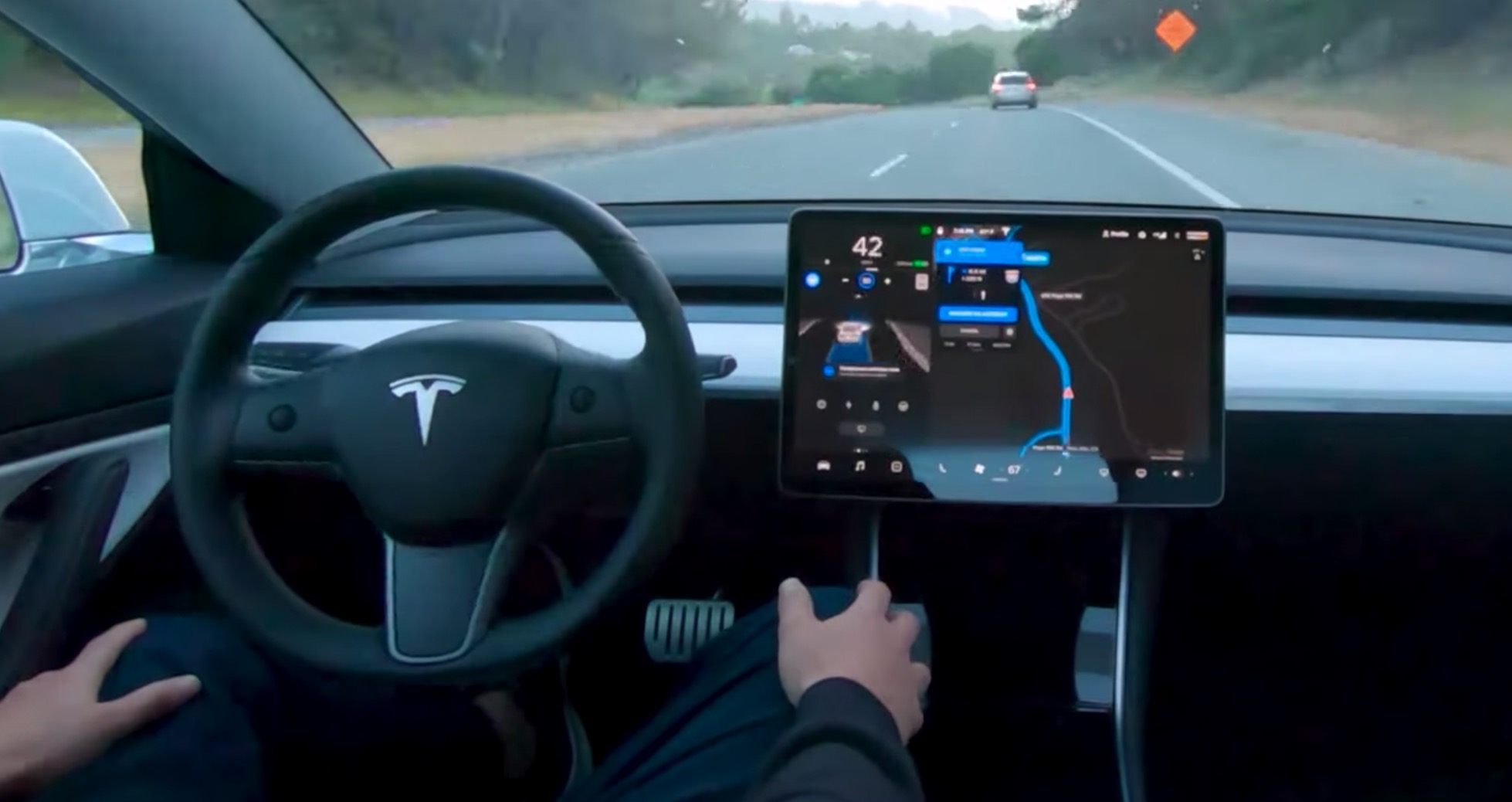
Tesla's ambitious Full Self-Driving (FSD) feature, touted as a game-changer in autonomous driving, is facing significant pushback in the European Union. The Swedish Transport Administration (TRV) has recommended that the EU vote against FSD's approval until Tesla disables the feature's ability to exceed speed limits.
The Speed Limit Controversy
According to Teslarati, the TRV's concerns center around the FSD feature's capability to surpass speed limits, which could compromise safety on European roads. This development raises critical questions about the regulatory landscape for autonomous vehicles and Tesla's strategy in the EU.
The Deep Dive: Technical and Regulatory Mechanics
Tesla's FSD feature has been a subject of both fascination and scrutiny. While it has received approvals in several European countries, including Estonia, Lithuania, Denmark, the Netherlands, and Belgium, the EU's regulatory framework for autonomous driving is still evolving.
Audit & Contradictions
An analysis of the situation reveals several contradictions and challenges. For instance, while Tesla's FSD feature can exceed speed limits, it is unclear whether this is a standard feature or a setting that can be adjusted by the driver. Furthermore, Elon Musk's announcement of upcoming features for FSD, including greater integration with Grok and a 'Banish' feature, has sparked both interest and skepticism.
Future Outlook
The pushback against Tesla's FSD feature in the EU has significant implications for the future of autonomous driving. As regulatory bodies grapple with the challenges posed by advanced driver-assistance systems, competitors and markets are likely to be affected. The long-term outlook for the industry hinges on the ability of companies like Tesla to address safety concerns while pushing the boundaries of innovation.