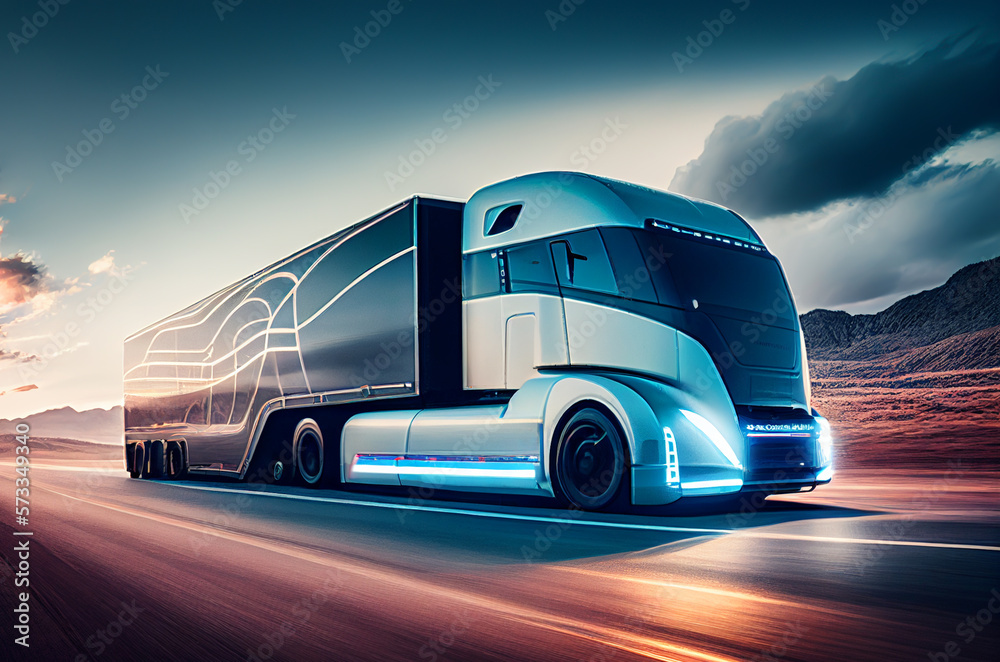
Colombia's Bold Step Towards Sustainable Logistics
Colombia has unveiled an ambitious plan to establish a 750-mile electric truck corridor, dubbed Ruta-E, which will connect the capital city of Bogotá to Cartagena, a major port city on the Caribbean coast. This initiative is expected to significantly reduce greenhouse gas emissions and set a precedent for sustainable logistics in South America.
The Scope of the Project
According to the announcement, the Ruta-E corridor is designed to support over 1,000 new battery-electric commercial trucks and reduce more than 185,000 tons of CO2 annually by 2032. This project is a crucial step towards Colombia's goal of reducing its carbon footprint and promoting eco-friendly transportation solutions.
The Deep Dive: Technical and Economic Implications
The introduction of Ruta-E is likely to have far-reaching implications for the logistics and transportation sectors in Colombia and beyond. With the country's growing economy and increasing demand for efficient transportation solutions, the adoption of electric trucks is expected to play a critical role in reducing emissions and improving air quality.
Challenges and Opportunities
However, the success of Ruta-E will depend on several factors, including the availability of charging infrastructure, the cost-effectiveness of electric trucks, and the government's incentives for companies to adopt this technology. According to Electrek, the Colombian government has not provided specific details on the corridor's infrastructure, charging stations, and timeline for completion, which raises questions about the project's feasibility.
Audit & Contradictions: Claims vs Realities
Upon closer inspection, there are some discrepancies in the reporting of the project's details. The article cites a 750-mile length for the corridor, which is equivalent to approximately 1,200 km. However, this is not explicitly stated, and the lack of clear information on the project's timeline and infrastructure raises concerns about the accuracy of the claims.
Future Outlook
The introduction of Ruta-E is likely to have a ripple effect on the logistics and transportation sectors in South America, with potential implications for other countries in the region. As the demand for sustainable transportation solutions continues to grow, companies and governments will need to work together to develop and implement innovative solutions like Ruta-E.
"The electric truck corridor is a significant step towards reducing our carbon footprint and promoting sustainable logistics in Colombia," said María Fernanda Rojas Mantilla, Colombia's Minister of Transport.
The project's success will depend on the government's ability to provide incentives for companies to adopt electric trucks and invest in charging infrastructure. Industry observers note that the adoption of electric trucks could have significant economic benefits, including reduced operating costs and improved air quality.