Lead Hook
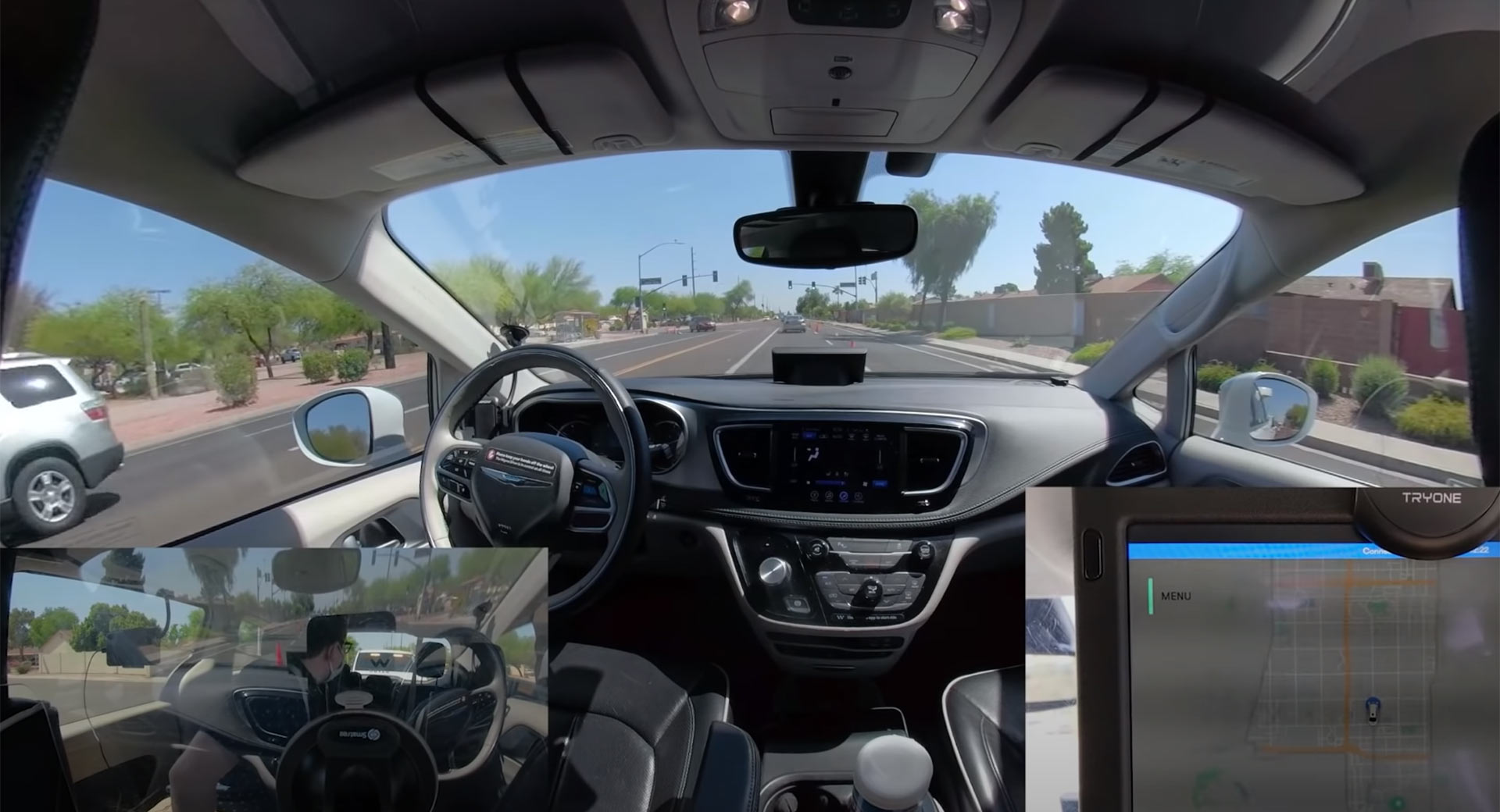
Waymo's recent recall of nearly 4,000 robotaxis due to issues with driving into highway construction zones has brought attention to the challenges of autonomous vehicle safety. The incidents, which occurred in Phoenix, Arizona, and San Francisco, California, have raised questions about the readiness of self-driving technology for widespread adoption.
The Deep Dive
According to the source article, Waymo's vehicles have driven more than 170 million miles autonomously, but the recall highlights the complexities of navigating construction zones. The company's driving software is under investigation by the NHTSA and National Transportation Safety Board, adding to the scrutiny of autonomous vehicle safety.
The recall was issued after incidents in which the vehicles failed to recognize and drove past ramp closure signs into pre-planned freeway construction zones. Waymo has restricted its robotaxis from driving on highways while it develops a fix for the problem. This is the sixth recall issued by Waymo for its robotaxis.
Audit & Contradictions
The fact-check audit data reveals some contradictions and challenges in the reporting. While the article provides information on the incidents and the recall, it lacks specific details on the fix for the problem and the timeline for implementation. The contradiction level is Medium, indicating that while the article provides some information, there are still gaps in understanding the solution.
The article does not provide specific details on the fix for the problem, only that it is 'currently under development'.
Future Outlook
The recall and ongoing investigations have implications for the autonomous vehicle industry as a whole. As self-driving technology continues to evolve, companies must prioritize safety and transparency to build public trust. The incident highlights the need for more robust testing and validation procedures to ensure that autonomous vehicles can handle complex scenarios.
According to industry observers, the incident may lead to increased regulatory scrutiny and calls for more stringent safety standards. As the industry continues to push forward with autonomous vehicle development, it is essential to address these challenges head-on and prioritize safety above all else.