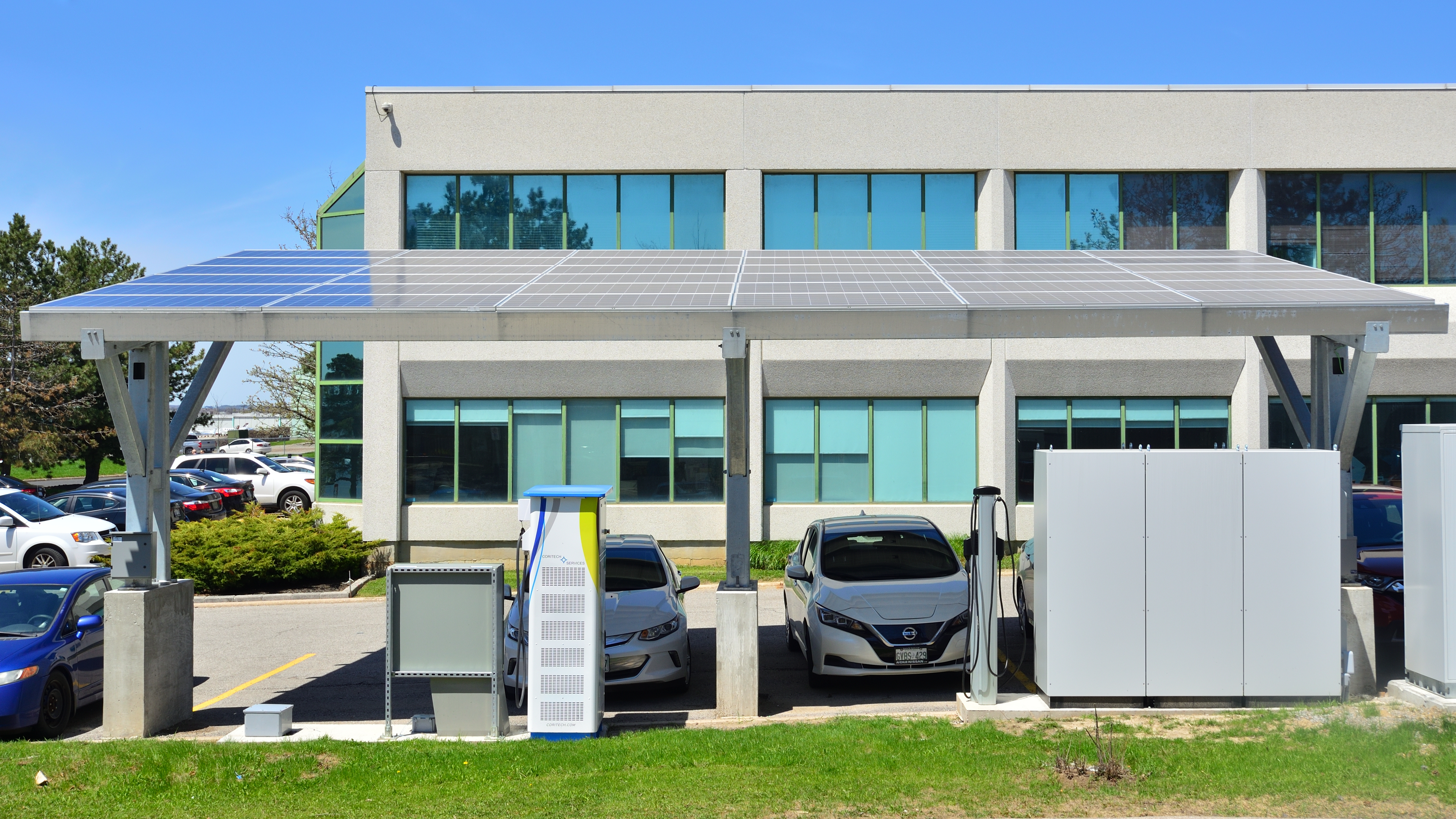
How Agrivoltaics Can Power the Future of Electric Vehicles
Virginia's recent passage of SB 340/HB 508, legislation supporting agrivoltaics, could have a significant impact on the state's electric vehicle (EV) market. By combining solar energy generation with agricultural production, agrivoltaics offers a promising solution for powering EV charging stations and supporting the growth of sustainable transportation.
The Potential of Agrivoltaics in EV Infrastructure
Agrivoltaics involves the co-location of agricultural production and solar energy generation on the same land. This approach can increase land use efficiency, reduce conflicts between energy production and agriculture, and provide a reliable source of renewable energy for EV charging stations.
Legislative Support and Guidelines
The new legislation defines agrivoltaics and provides guidelines for its implementation, prioritizing agricultural productivity and ensuring that solar projects complement existing farm businesses. According to the source article, the bill has received bipartisan support, indicating a unified effort to promote sustainable energy solutions that also support local agriculture.
Future Outlook and Industry Implications
The long-term outlook for agrivoltaics in Virginia and similar practices globally appears promising. As the world continues to seek sustainable solutions to meet increasing energy demands while preserving agricultural lands, innovative approaches like agrivoltaics are likely to gain more traction. The success of Virginia's legislation could serve as a model for other regions, potentially leading to wider adoption and further advancements in the field.