The End of an Era: Petrol-Powered Minis
The Mini Cooper, a quintessential British car, has been a staple on roads for decades. However, with the increasing shift towards electrification, the petrol-powered Mini Cooper is becoming a rarity. According to Autocar, a long-term review of the petrol Mini Cooper covered 3000 miles, highlighting its benefits and drawbacks.
The Deep Dive: Performance and Practicality
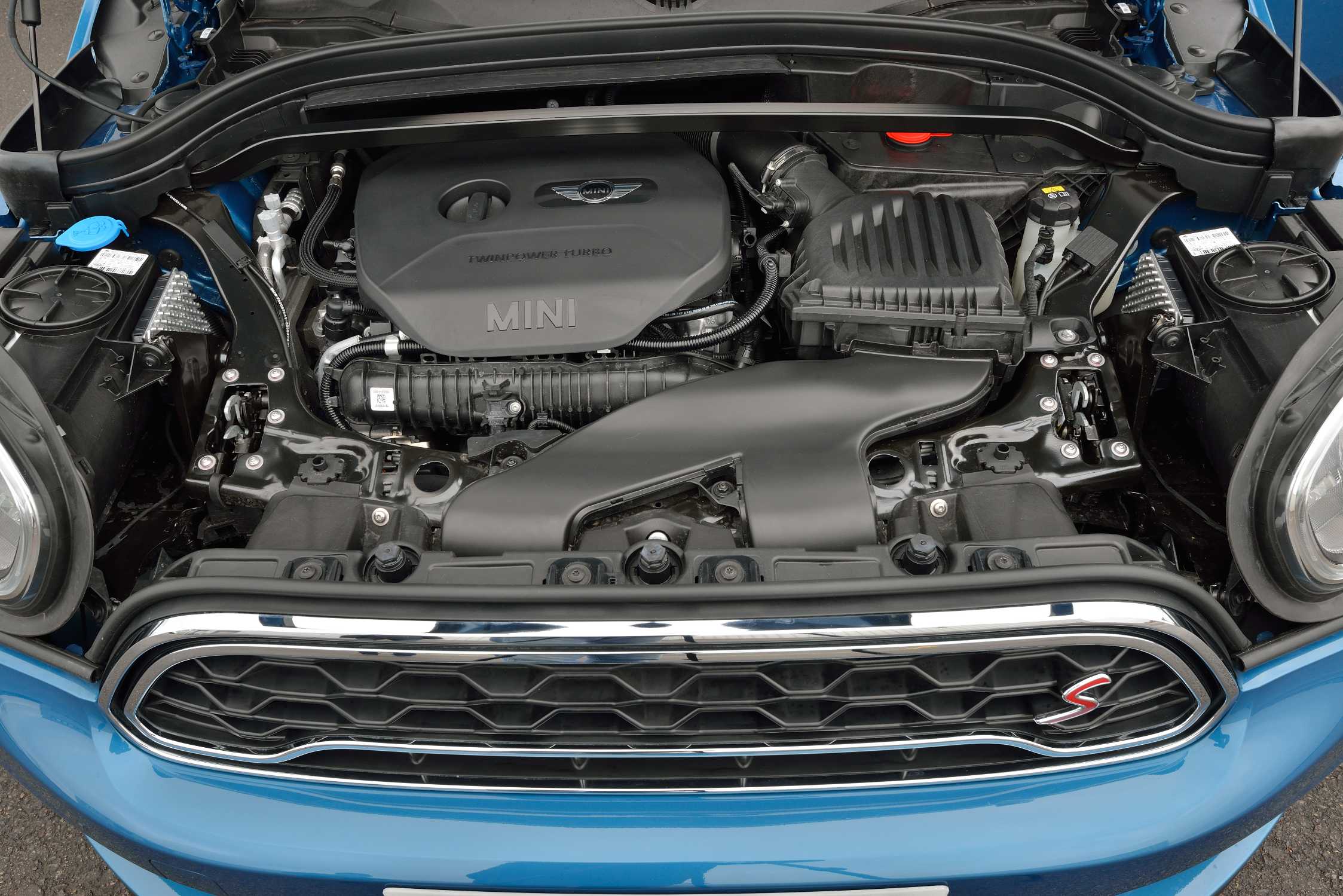
The Mini Cooper is equipped with a 1.5-litre 3-cylinder petrol engine, providing a sense of liberation for spontaneous long-distance trips. The car also features a 40-litre fuel tank, allowing drivers to cover significant distances without needing to refuel. However, the Cooper's starting price of £23,150 may be a deterrent for some buyers. Additionally, the car's interior space is limited, and the redesign has been controversial.
Audit & Contradictions: Separating Fact from Fiction
Upon closer inspection, some claims made about the Mini Cooper seem to contradict industry norms. For instance, the article states that the Cooper is one of the few petrol-powered superminis left on sale, but does not provide a comprehensive list of competitors. Furthermore, the author notes that the car's interior space is limited, but does not provide a detailed comparison with other cars in the same segment.
Future Outlook: The Road Ahead for Mini and the Industry
As the automotive industry continues to shift towards electrification, it remains to be seen how Mini will adapt. Will the company continue to produce petrol-powered vehicles, or will it follow suit with a fully electric lineup? According to industry observers, the trend towards electrification is expected to continue, with many manufacturers investing heavily in electric vehicle technology.