Introduction
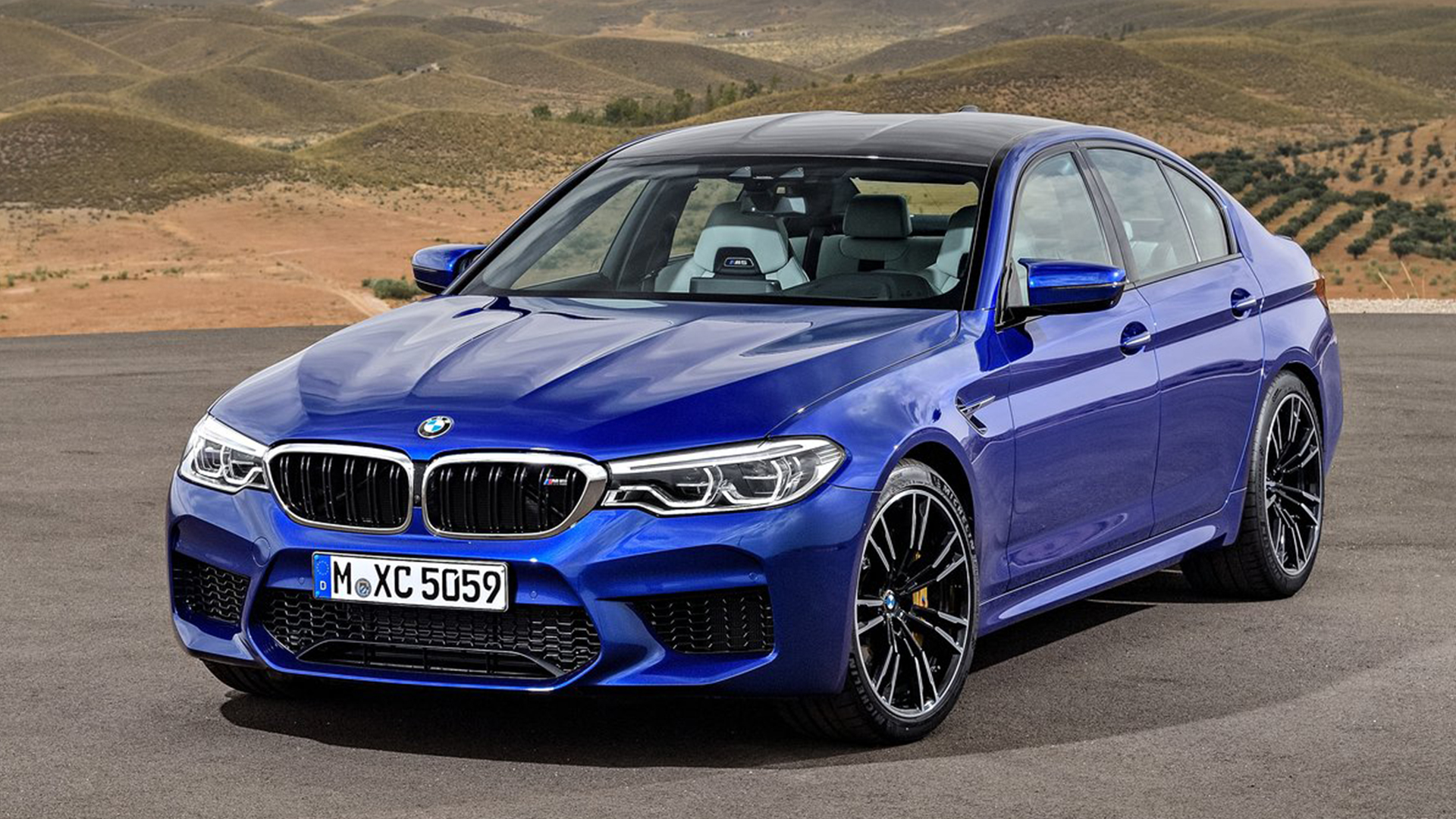
In the world of high-performance vehicles, few cars have garnered as much attention as the 2000 BMW M5. Dubbed a 'four-door Corvette,' this sports sedan promised to deliver exceptional performance and handling. But how much of its reputation was built on fact, and how much on marketing hype?
The Deep Dive
The 2000 BMW M5 came equipped with a 5.0-liter V8 engine, producing 394 horsepower at 6600 rpm and 369 lb-ft of torque at 3800 rpm. According to Car and Driver, the car's double-VANOS system allowed for variable valve timing on both intake and exhaust cams, while individual throttle butterflies for each cylinder provided a responsive driving experience.
Audit & Contradictions
While the M5's specifications were impressive, some claims made by reviewers and marketers were exaggerated or unverified. The car's power-to-weight ratio was reported as 9.6 pounds per horsepower, but without direct comparisons to other vehicles. Additionally, the M5's lateral grip of up to 1.20 g was noted, although this was not formally tested due to road conditions.
Future Outlook
The 2000 BMW M5 set a benchmark for performance in its class, pushing competitors to deliver similar levels of power and handling. Today, the M5 remains a sought-after vehicle among collectors and enthusiasts. As the automotive industry continues to evolve, the M5's legacy serves as a reminder of the importance of balancing performance with innovation and responsible marketing.