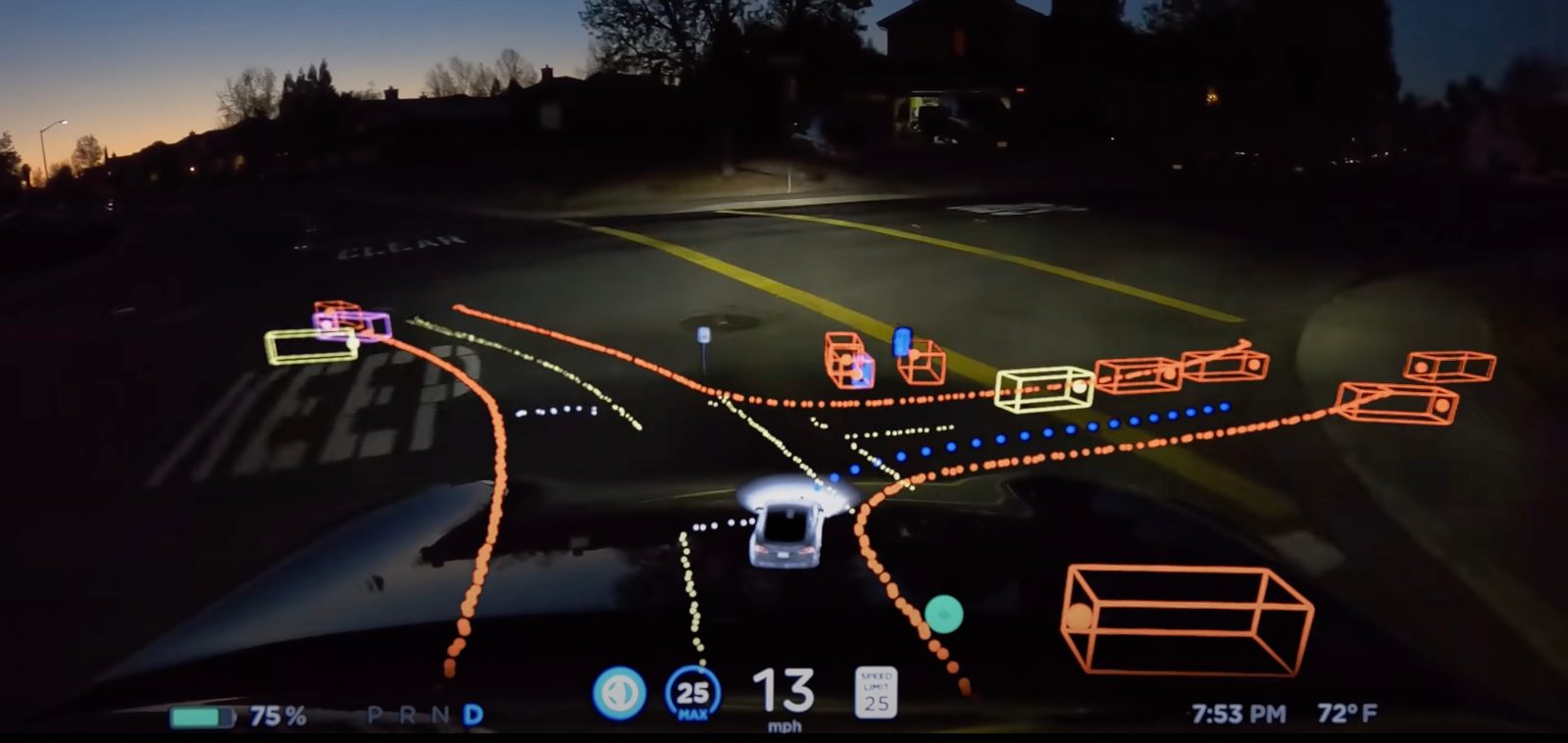
Sweden's Speed Limit Stand: A Challenge to Tesla's FSD in the EU
Sweden has taken a firm stance against Tesla's Full Self-Driving (FSD) technology, urging the European Union to reject the system unless its ability to exceed posted speed limits is removed. This move by the Swedish Transport Administration has significant implications for the future of autonomous driving in Europe and beyond.
The Deep Dive: Technical and Regulatory Mechanics
Tesla's FSD technology allows drivers to set a 'Speed Offset,' enabling the vehicle to travel above the posted limit by a margin chosen by the driver. However, this feature has raised concerns among regulators and safety experts, who argue that it could undermine the legal framework and expected safety benefits of vehicle automation.
According to the Swedish Transport Administration, the system's ability to systematically exceed legal speed limits poses a significant risk to road safety. In a letter to the EU's Technical Committee on Motor Vehicles (TCMV) on April 30, the administration recommended that they vote against approving Tesla's FSD unless the speeding feature is removed.
Audit & Contradictions: Claims vs Realities
The article highlights several verified claims, including:
- Sweden's transport authority has recommended to the EU that they vote against Tesla's FSD unless the system's ability to exceed posted speed limits is removed.
- The Swedish Transport Administration's recommendation was made in a letter to the EU's Technical Committee on Motor Vehicles (TCMV) on April 30.
- Tesla's FSD technology allows drivers to set a 'Speed Offset,' enabling the vehicle to travel above the posted limit by a margin chosen by the driver.
- Some EU countries, including Lithuania, Estonia, Belgium, and Denmark, have approved FSD nationally.
- Sweden, Finland, and Norway have expressed concerns about the technology, including issues with speeding and performance on icy roads.
However, there are also potential contradictions and exaggerations, including:
- The article mentions that Tesla presented misleading 'Full Self-Driving' safety data to European regulators, but this claim is not verified with concrete evidence.
- The article states that Tesla's sales collapsed in Europe in 2025, but it is unclear if this is directly related to the FSD approval process.
Future Outlook: Competitors and Markets
The Swedish Transport Administration's stance on Tesla's FSD technology could have significant implications for the future of autonomous driving in Europe. As the EU continues to develop its regulatory framework for vehicle automation, this challenge to Tesla's FSD could set a precedent for other manufacturers.
According to industry observers, the outcome of this debate could influence the development of autonomous driving technologies globally. As the industry continues to evolve, it is likely that we will see increased scrutiny of safety features and regulatory compliance.