Introduction
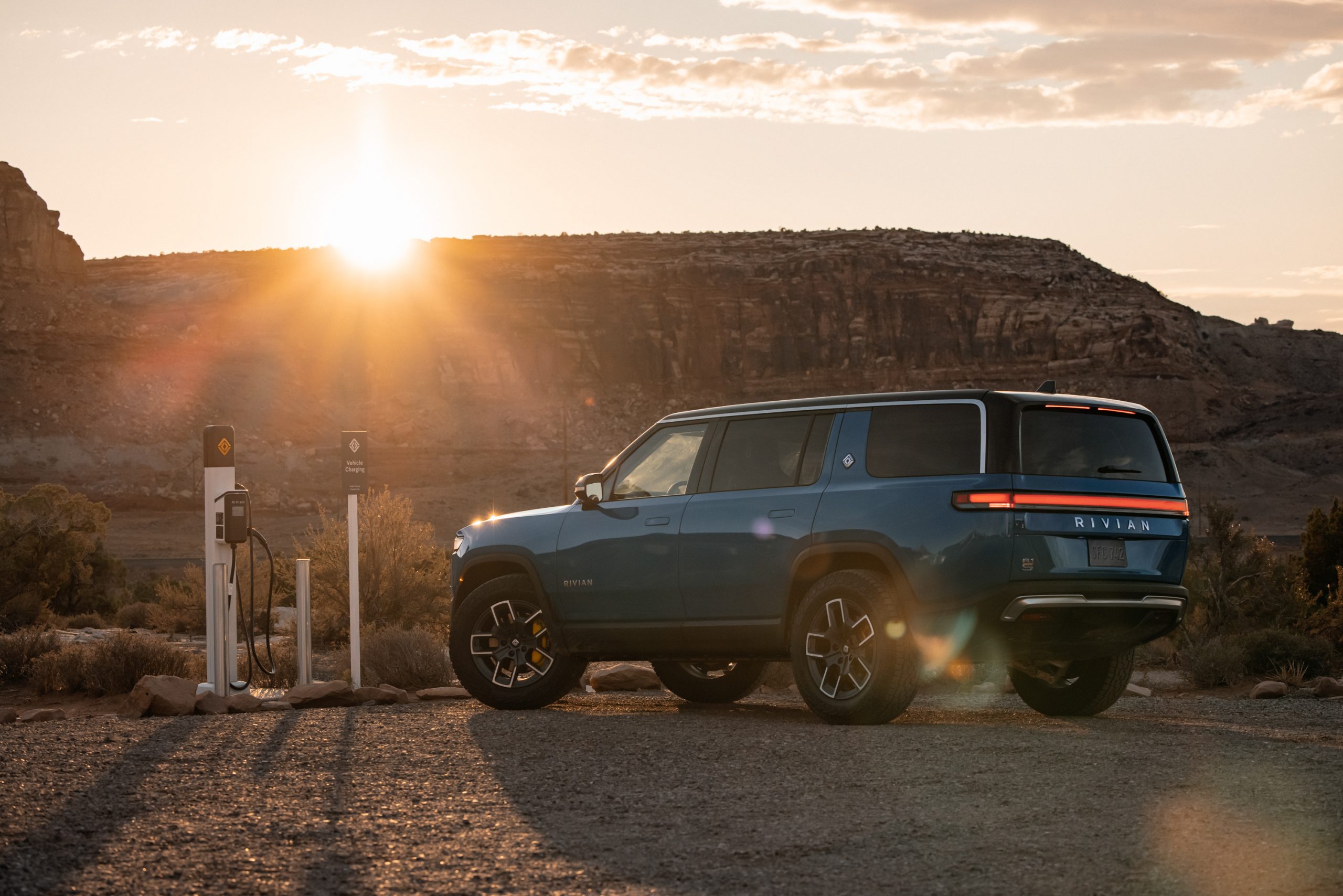
Rivian, the electric vehicle (EV) manufacturer known for its R1T truck and R1S SUV models, is facing a lawsuit over alleged false promises regarding self-driving features. The lawsuit claims that Rivian represented these vehicles as capable of hands-free, eyes-off driving, also known as Level 3 autonomy. However, the complaint states that no software update can enable the first-generation vehicles to perform as advertised.
The Deep Dive
According to the lawsuit, Rivian's marketing materials and CEO's statements may have been misleading, leading customers to believe that their vehicles were equipped with advanced autonomous capabilities. The company's first-generation R1T and R1S vehicles do not offer hands-free driving, contrary to what was promised. In contrast, Rivian's second-generation vehicles are equipped with the 'Rivian Autonomy Platform', which includes adaptive cruise control and highway assist features. The company rolled out 'Universal Hands-Free' driving via a software update for second-gen R1 vehicles.
Audit & Contradictions
The fact-check audit data reveals several contradictions and challenges. The lawsuit alleges that Rivian falsely promised hands-free driving capabilities for its first-generation vehicles. The company's marketing materials and CEO's statements may have been misleading, which could indicate a pattern of exaggeration in the industry. For instance, Tesla has faced regulatory scrutiny and lawsuits over its self-driving claims, which raises questions about the broader industry's approach to autonomy.
Future Outlook
The long-term outlook for competitors and markets is uncertain. As the EV industry continues to evolve, manufacturers must navigate the complex regulatory landscape and consumer expectations surrounding autonomous features. Rivian's experience serves as a cautionary tale for companies making ambitious claims about their vehicles' capabilities. The outcome of this lawsuit and future regulatory actions will likely shape the industry's approach to autonomy and transparency.