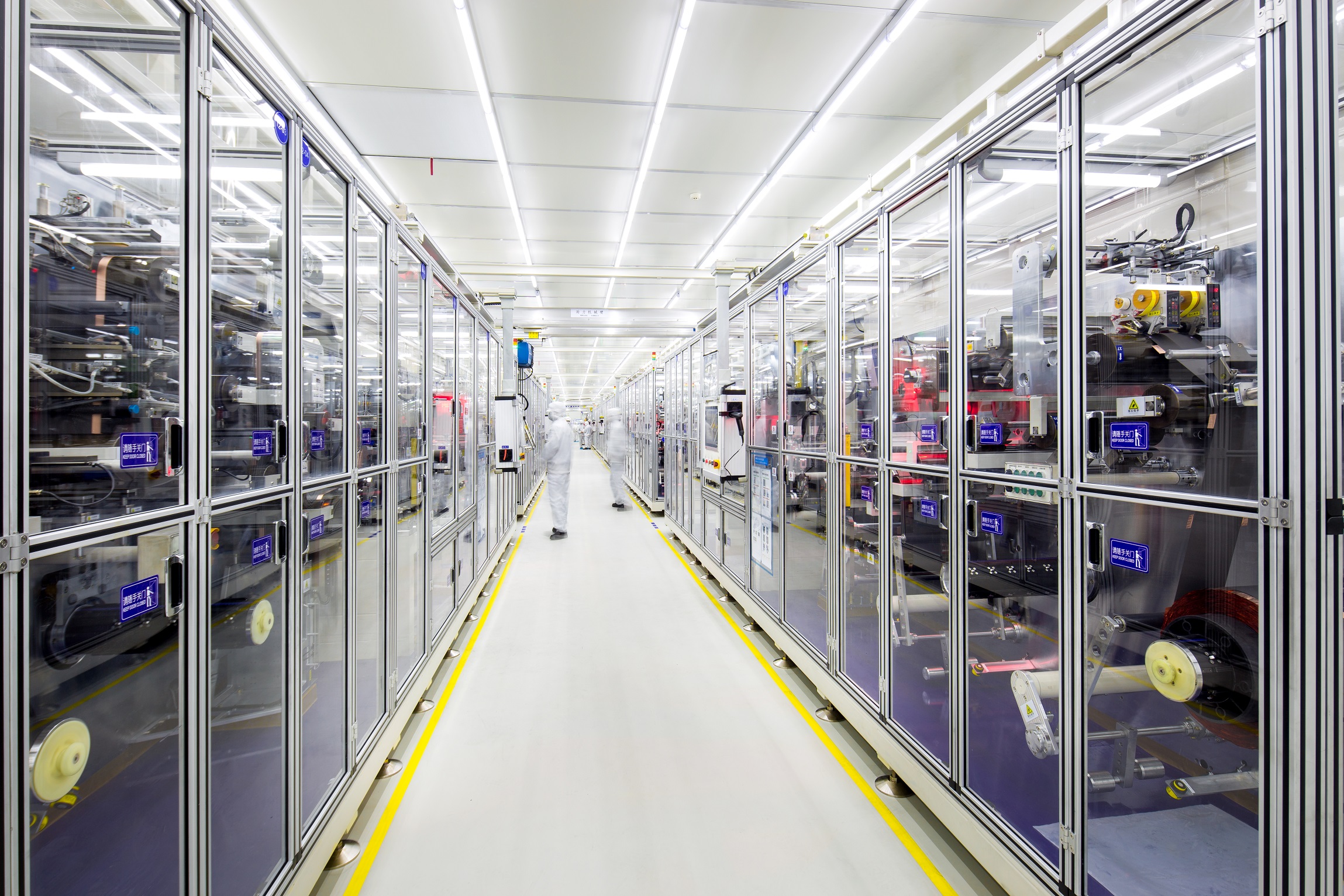
CATL's financial performance in Q1 2026 has significant implications for the EV battery market. According to a report by Car News China, the company's net profit reached 20.7 billion yuan (approximately 3.06 billion USD), surpassing the combined net profit of BYD, Geely, and Chery. Revenue for the quarter was 129.13 billion yuan (approximately 17.9 billion USD). CATL's battery installations in China reached 59.52 GWh in Q1 2026, capturing a 46.4% market share.
Competitive Landscape: A Shift in Power Dynamics?
The financial performance of CATL in Q1 2026 raises questions about the competitive landscape of China's electric vehicle industry. The net profits of other Chinese automakers, including BYD, Geely, Chery, SAIC, GWM, Seres, and Changan, were significantly lower, ranging from 0.351 billion yuan to 4.17 billion yuan. This disparity highlights CATL's dominant position in the EV battery market and its potential impact on the industry's future.
Audit & Contradictions: Scrutinizing the Claims
While the report provides specific financial figures and market share data, there are some potential contradictions and challenges. The article does not provide official confirmation from CATL or the mentioned automakers regarding these financial figures. Additionally, there is no information on how the companies' financial results were calculated or what accounting standards were used. These discrepancies necessitate further investigation and scrutiny.
Future Outlook: What Lies Ahead for Competitors and Markets?
The significant gap between CATL's financial performance and that of its competitors may have far-reaching implications for the industry. As the EV market continues to grow, CATL's dominant position in the battery market may lead to increased competition and innovation among other automakers. However, it also raises concerns about the potential for market monopolization and the impact on the overall competitiveness of the industry.