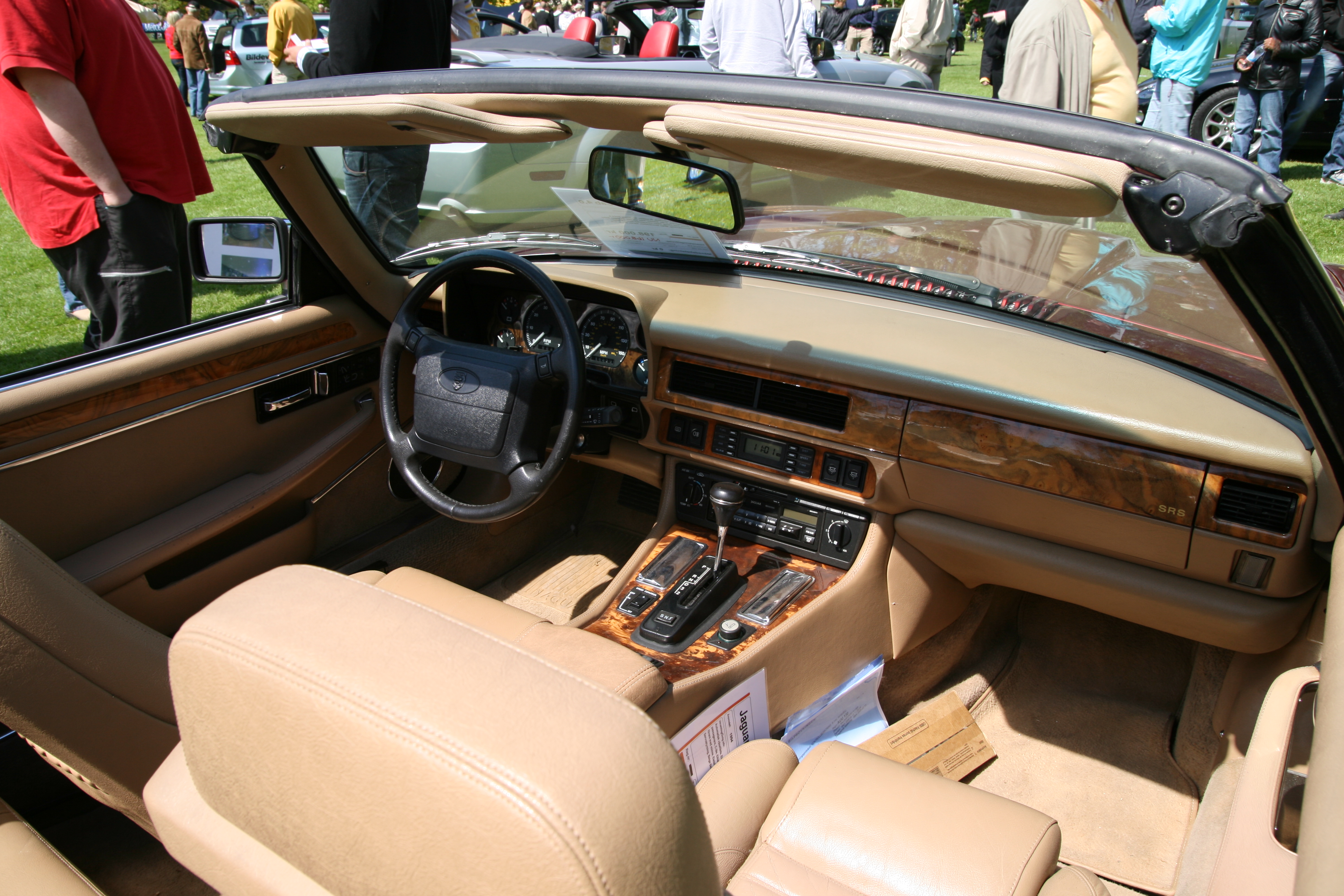
Introduction to the Jaguar XJS
The Jaguar XJS, launched in 1975, was a game-changer in the automotive world. With its sleek design and powerful engine, it quickly gained popularity among car enthusiasts. According to Auto Express, the XJS was produced for over two decades, with a total of 115,413 units manufactured.
The Deep Dive: Technical Specifications and Production
The XJS was initially launched with a 5.3-liter V12 engine, which was later supplemented by a 3.6-liter straight-six engine in 1983. The introduction of the high-efficiency (HE) V12 engine in 1981 marked a significant milestone in the XJS's production run. As Auto Express notes, the XJS's engine lineup was a key factor in its enduring popularity.
Audit & Contradictions: Separating Fact from Fiction
While the XJS's production figures and engine lineup are well-documented, some claims surrounding the model's history and performance are less clear-cut. For instance, the assertion that the XJS initially came with a 3.6-liter engine and later added a V12 option is contradicted by Auto Express, which states that the V12 was the standard engine from launch. Similarly, the claimed 'even split' between V12 and six-cylinder models is not supported by publicly available registration data.
Future Outlook: The Enduring Legacy of the Jaguar XJS
As the automotive industry continues to evolve, the Jaguar XJS remains an iconic symbol of luxury and performance. Its enduring legacy serves as a testament to the power of elegant design and engineering excellence. While the XJS may no longer be in production, its influence can still be seen in modern Jaguar models. As Auto Express notes, the XJS's production run may have ended in 1996, but its impact on the automotive world will be felt for generations to come.