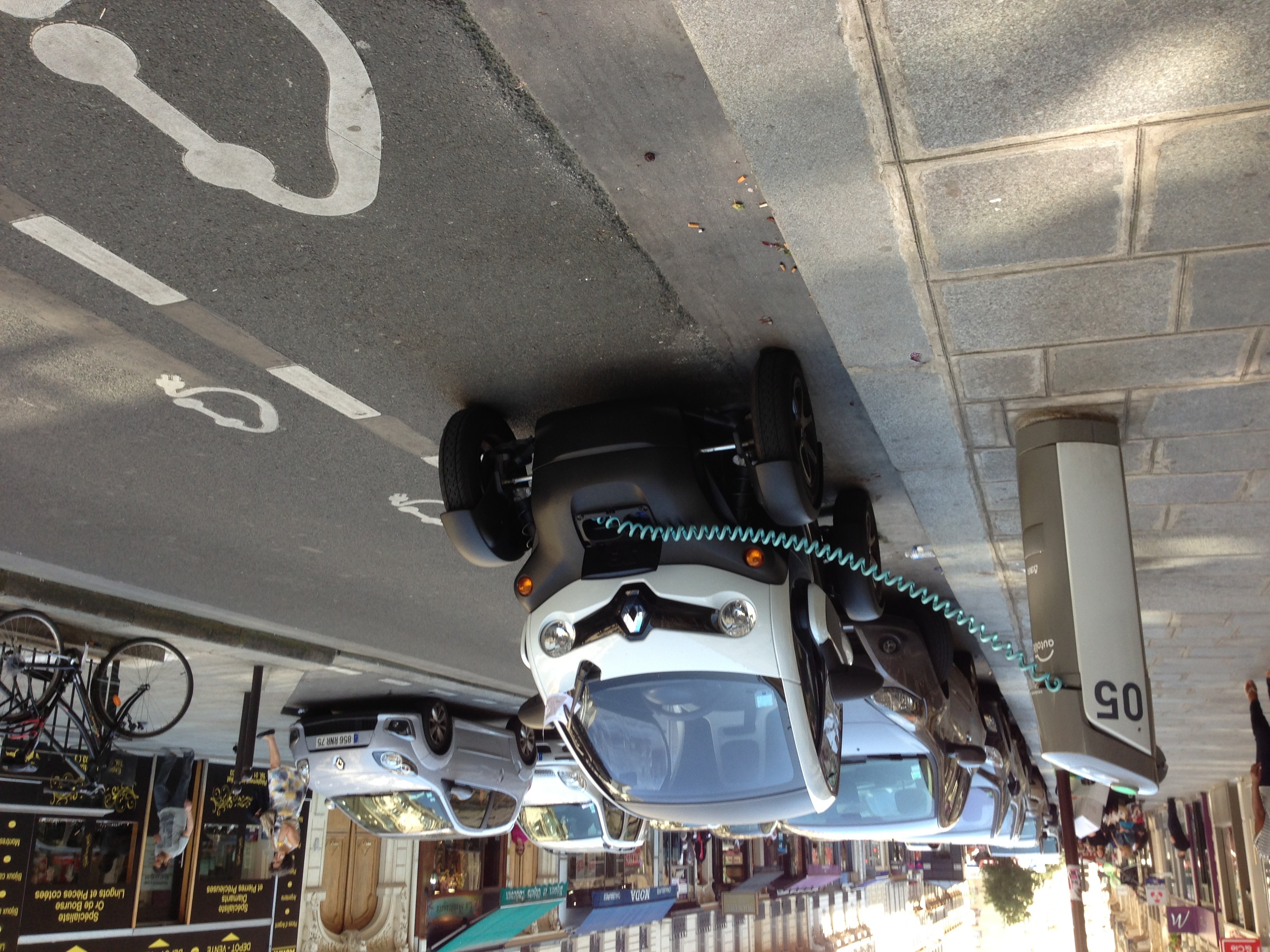
The Tyre Revolution
Continental has developed a new tyre with particularly low rolling resistance for Renault EVs. According to the company, this tyre can deliver 30km of additional range. However, a closer look at the claims raises some questions.
The Science Behind Rolling Resistance
Rolling resistance accounts for around 20-30% of a car's energy consumption. This is a well-known fact in the automotive industry. The EU tyre label's grade A rating has a threshold for rolling resistance, and Continental claims that their new tyre has a 35% lower rolling resistance than this grade A rating.
The Catch: Lack of Transparency
While Continental's claims seem impressive, there is a lack of transparency on how the 30km of additional range was calculated. What factors were taken into account? How was this measured or verified? The article does not provide enough information to support this claim.
The Bigger Picture: EV Range and Efficiency
The EV industry is constantly looking for ways to improve range and efficiency. Tyres play a crucial role in this. According to industry observers, the development of low rolling resistance tyres is a key area of research. However, it's essential to approach claims like Continental's with a critical eye.
Conclusion
Continental's new tyres are an interesting development in the EV industry. While the claims of 30km of additional range are intriguing, more transparency is needed to verify these claims. As the industry continues to evolve, it's essential to separate fact from fiction.